Reflecting on AI's Progress (and Mine)
Writing this without any help from AI is going to be a trip, but join me as I reflect on how far it has come since I started.
Some context about my career in tech
(If you're not interested in any of this, you can skip this section.)
I started learning about AI around 2018/2019. At the time, I was a university student studying biochemistry at the University of Port Harcourt. I loved the sciences, but I was restless. I'd been one of the best in my class in secondary school, and somewhere along the way in university I realised biochemistry just wasn't holding my attention the way I thought it would.
That was a strange thing to sit with. So much of who I was had been tied to being a top student, and here I was, far more curious about what was happening outside my syllabus than inside it, especially once I started poking at code and data.
The more I learned and paid attention to the world around me, the more I felt biochemistry alone wasn't going to take me where I wanted to go.
Back in secondary school, as far as I knew, people who studied computer science mostly ended up teaching or running cyber cafés. I didn't want to do either, so I decided computer science wasn't the way to go for me. Luckily, uni changed that.
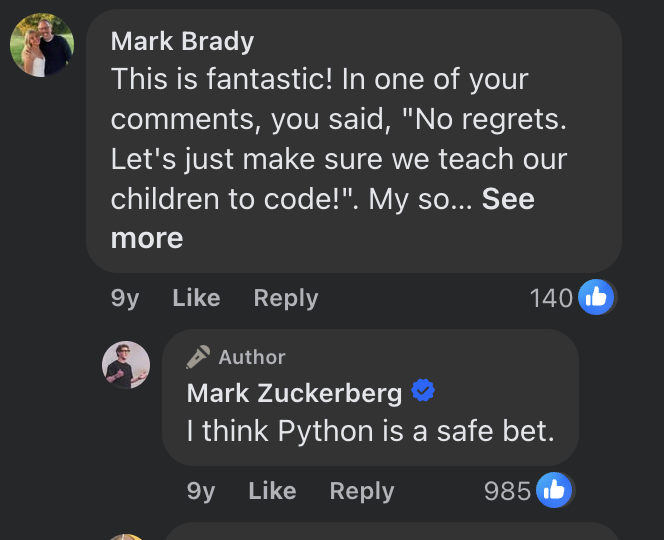
I met some computer science students and leaned into learning to code, starting with HTML and CSS. Mark Zuckerberg used to answer community questions on Facebook, and I remember someone asking him what programming language he'd recommend for children learning to code. He said Python.
I started figuring out how to learn Python on my HP Mini, which eventually died on me, so I ended up learning to code mostly on my phone. SoloLearn was my best friend back then, and I picked up coding fundamentals across a few languages, including Python.
After watching some sci-fi movies, especially seeing Jarvis in Iron Man 3, I wanted to be Tony Stark so badly and have my own AI assistant.
I dug deeper into artificial intelligence, and it seemed the way into the space was through data science. I started looking for communities and soon found the School of AI, founded by Siraj Raval (so sad how this guy fell off, he started something good!).
Watch: School of AI Introduction
I later came across the Port Harcourt School of AI, a local chapter of the School of AI. I joined in 2019 and learned more about data science fundamentals, AI, and machine learning.
Oh! I also remember watching this Crash Course AI playlist. I loved Crash Course, and it was pretty helpful for breaking down the fundamentals.
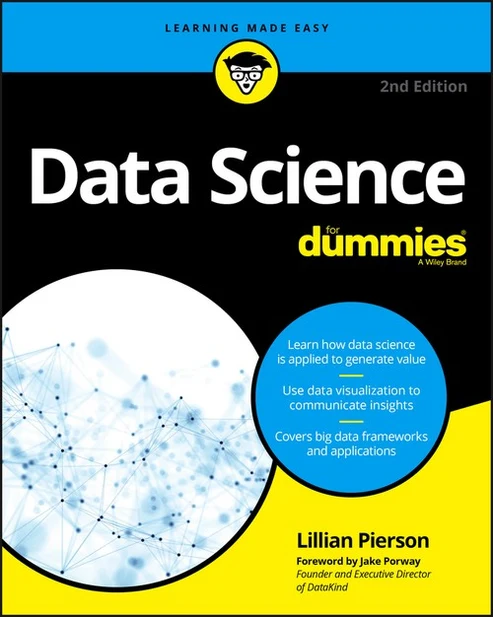
I also read Data Science for Dummies by Lillian Pierson. It was recommended by one of the community leads at PH School of AI, and it helped me a lot.
A lot happened after this, from my first internship to buying a laptop for myself for the first time and seeing what I could do to improve my quality of life and build a career.
What the work looked like then
Around the time I was learning and doing some work in the space, data science, for me, looked like Anaconda (choosing between Jupyter or Spyder), Power BI, Looker Studio (then Google Data Studio), and eventually Google Colab. I remember running notebooks on my phone because there was no electricity, or because I just hadn't gotten to the part where I bought myself a laptop yet (very stressful times, I must say).
I took the Deep Learning course with Udacity after getting a scholarship through Bertelsmann, and I learned about advanced models: neural networks, convolutional neural networks for computer vision, recurrent neural networks, generative adversarial networks, reinforcement learning, and more.
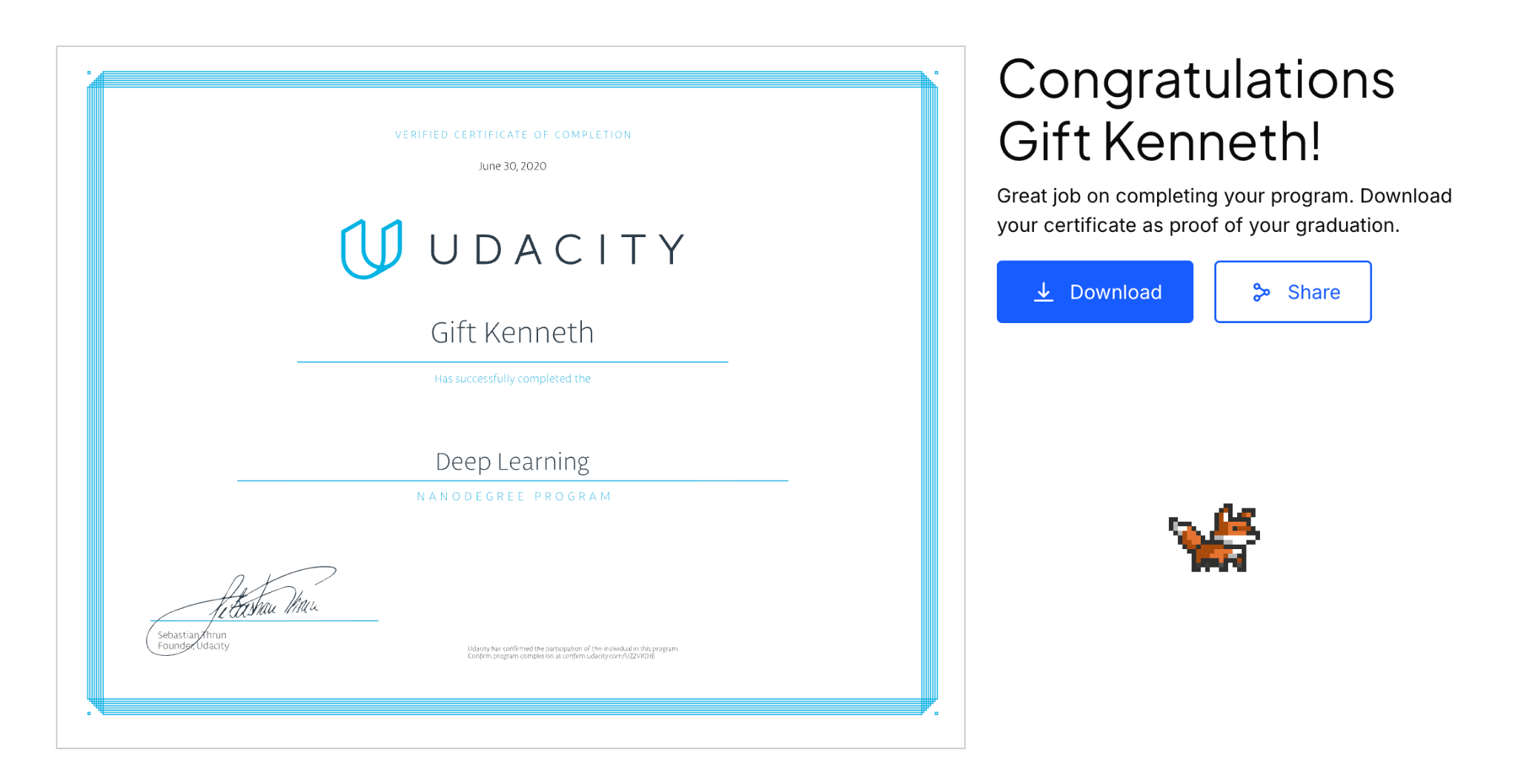
This was a big deal for me at the time.
I remember playing around with GANs, and one of the projects was to generate faces. I held on to my old Toshiba with no front camera, which destroyed my back from lugging it everywhere (my HP Mini had died by then).
Here's a screenshot of the submission; this was my favourite project.
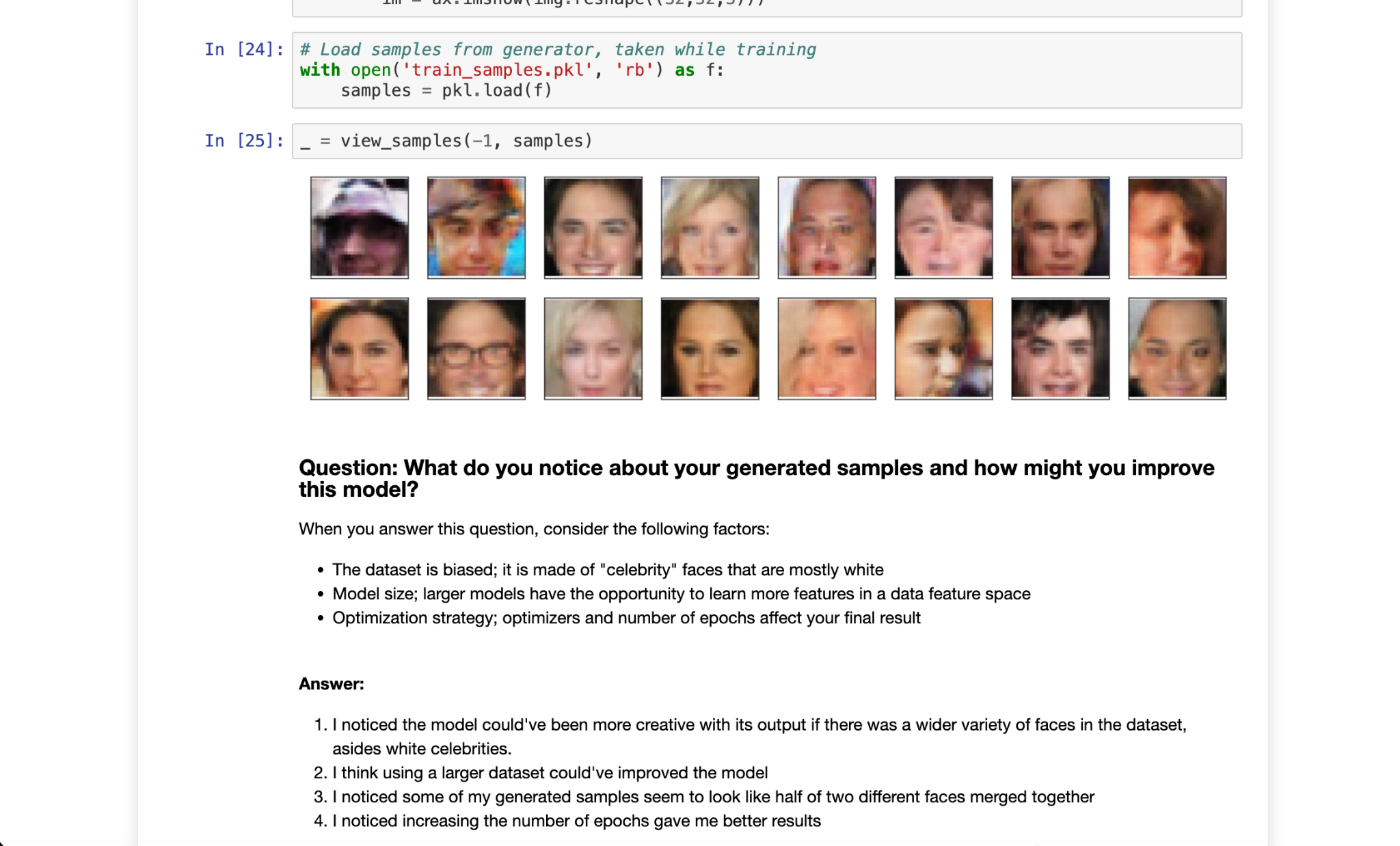
I remember staying up in the middle of the night to train this model. I turned off everything in my room because the laptop, while charging, would affect the power generator outside. I think my parents were having night prayers and kept the generator on, so I trained it in the middle of the night.
I also remember deploying a sentiment analysis model for the first time on AWS.
It's so interesting how things have changed! The rest of my work looked like training models in Jupyter notebooks, and later I learned I'd have to throw that away and think more like a software engineer, since nobody was that interested in notebooks anymore.
I started learning about data structures and algorithms, how to write modular code, deploy models, MLOps (Machine Learning Operations), and facing my fear of the CLI (Command Line Interface). In the meantime, I picked up gigs, tutored coding, and wrote tech articles for publications.
Now I work in marketing full time with data science and AI companies. I'm happy with the transition and enjoy the work I do. 🙂
I also remember that when I started building my career in AI, it was a very research-heavy field, and there weren't many companies working on implementation. Most of the people I remember starting this journey with either pivoted out of AI into other parts of industry, or they're probably doing their master's or PhD now. So it's quite a fun time, really, seeing how the field has grown out of research and into an industry thing. Crazy how we went from "Attention Is All You Need" to ChatGPT.
The TESCREAL bundle
Now that I'm done yapping about my journey into the glorious world of AI and data science, let me tell you about the time I got a conference scholarship to attend the Deep Learning Indaba (Accra) in 2023.
Deep Learning Indaba is an annual conference hosted each year in a selected African country. It brings together African researchers and industry professionals in the machine learning and data science space, from the continent and the diaspora.
I was so excited, and this was my first time in Accra. I'd missed another sponsored opportunity to attend a tech event in Accra back in 2019, and I wasn't about to miss this one.
At the Indaba, I got to meet Timnit Gebru.
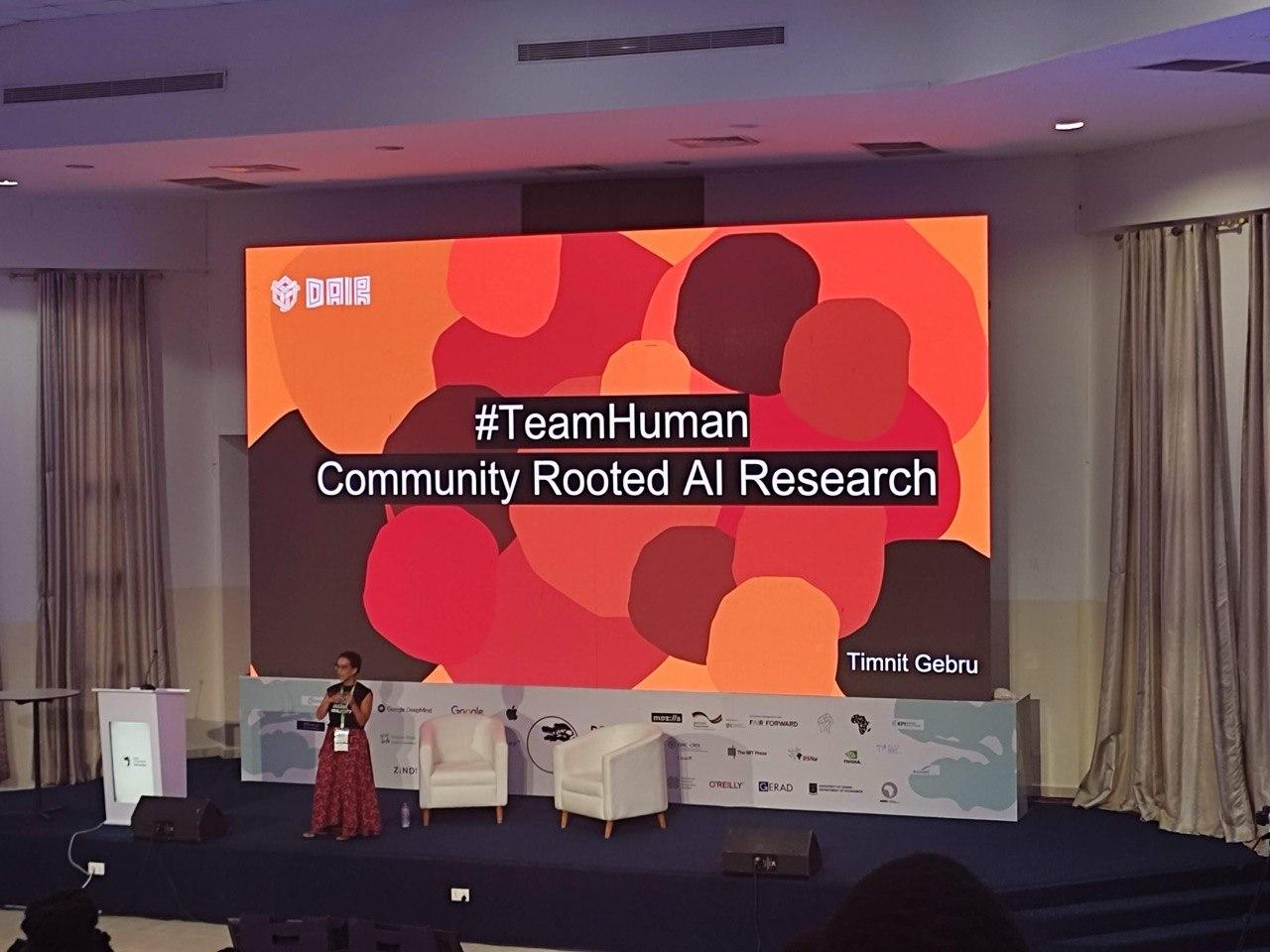
Before meeting her in person, I only knew one thing about her: that she got fired from Google. Ignore my hand 🙂
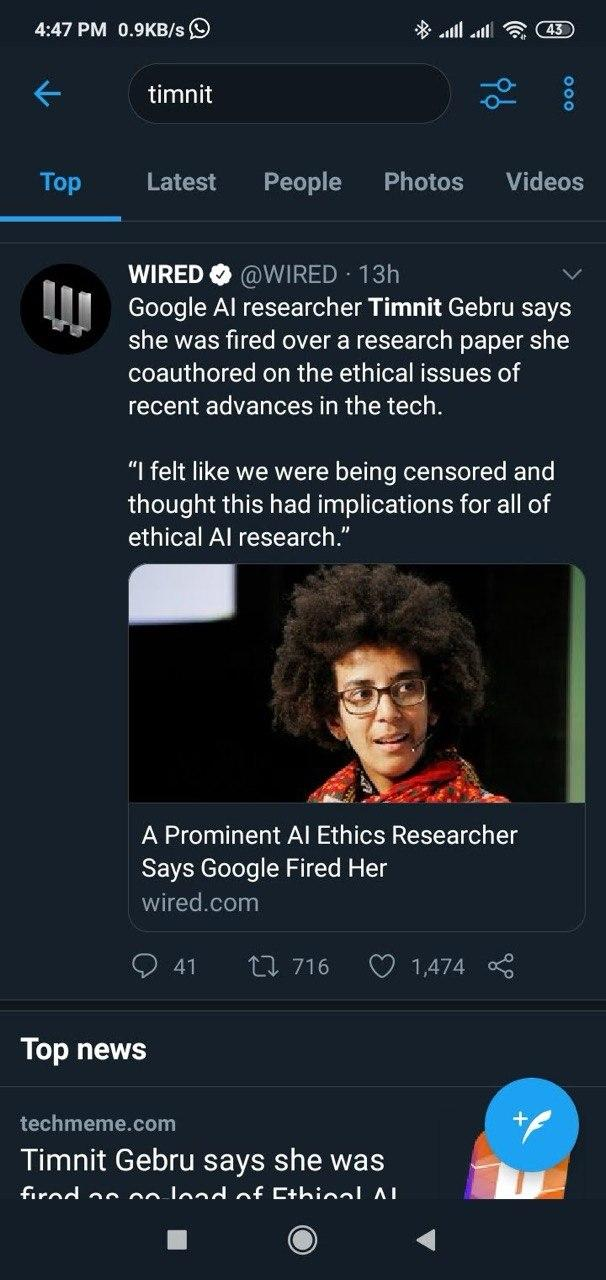
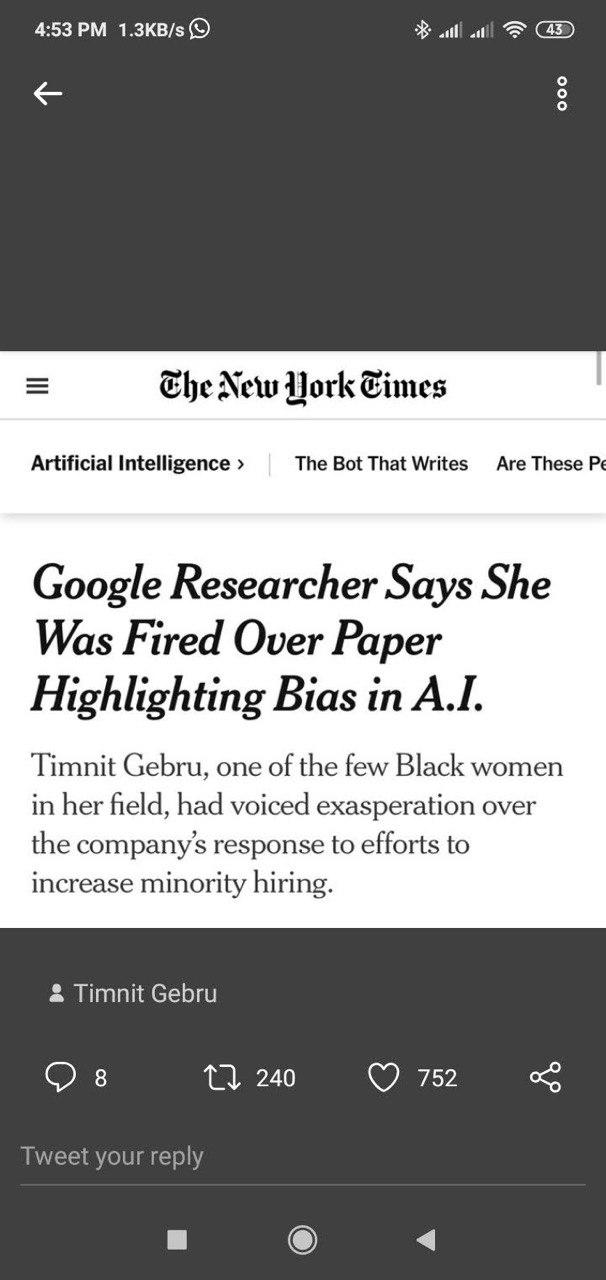
These are screenshots I took in 2020.
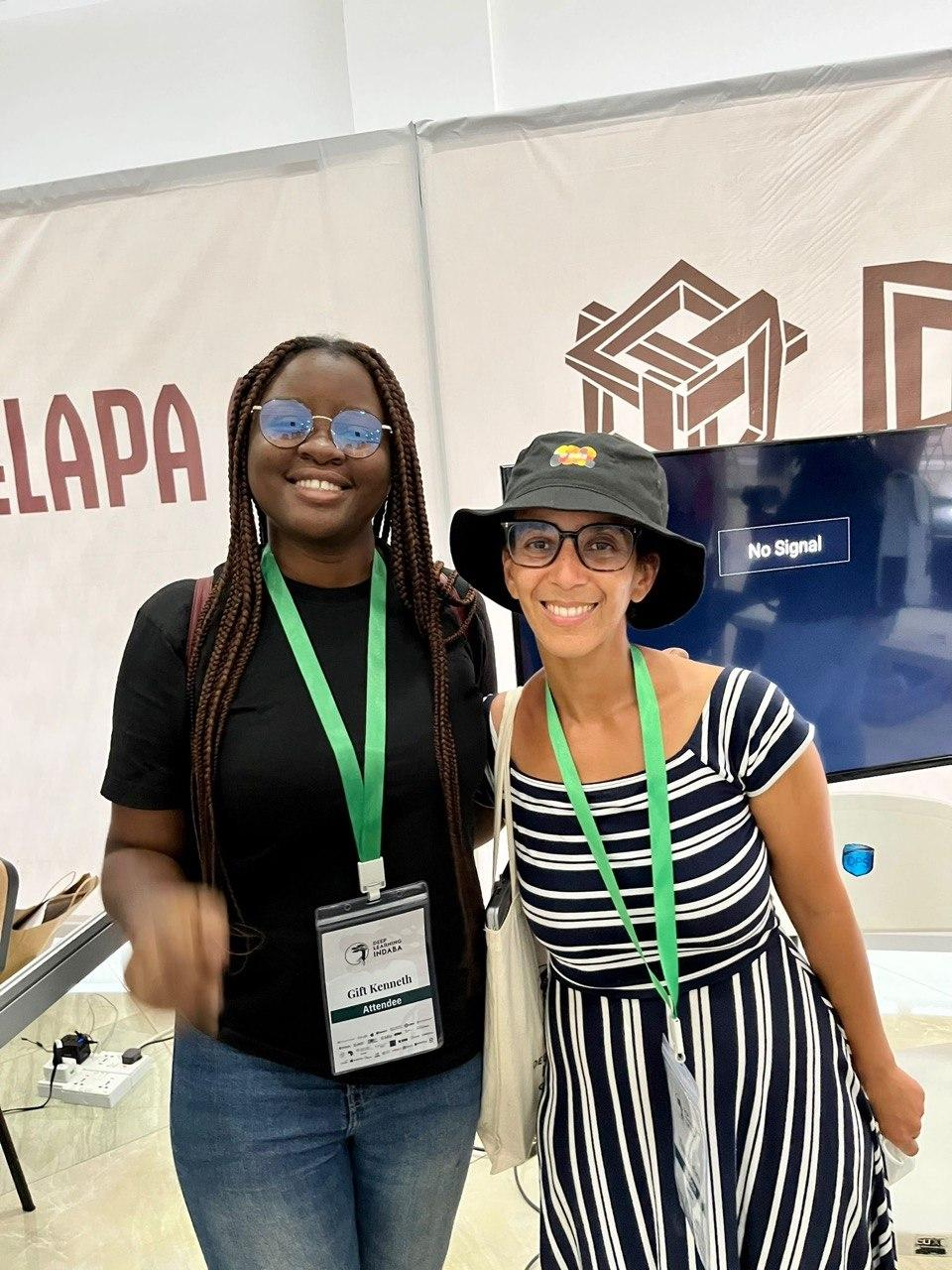
I was also happy to meet Bonaventure Dossou (I knew him through Omdena challenges, where he was a regular contributor and always seemed to know what he was doing, so it was great to meet him in person, he's a pretty chill guy :) ). He took the picture (he's wearing the hat).
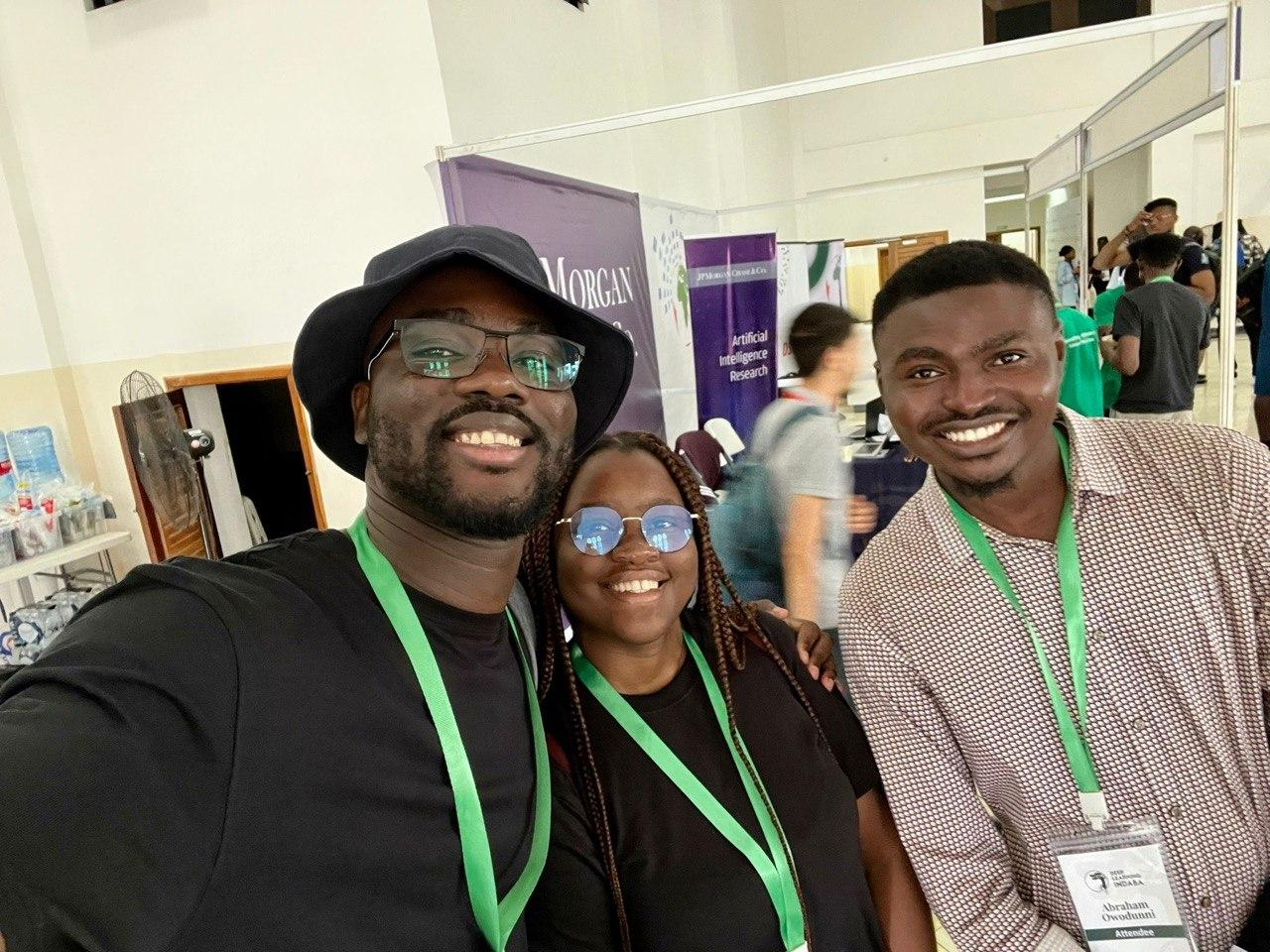
Anyway! Timnit talked about a lot of things, and one of them was the TESCREAL bundle [an acronym for Transhumanism, Extropianism, Singularitarianism, (modern) Cosmism, Rationalism (the ideology of the rationalist community), Effective Altruism, and Longtermism].
I remember a guy I met after the talk was unimpressed by the presentation; I think he saw it as unnecessary fear-mongering. And honestly, I didn't quite get the talk either.
I understood the unethical-use-of-AI part, because I was working on a project around that topic, exploring global and African AI policies. But the talk about things like cosmism felt far-fetched. I was aware of the possibility, but it didn't seem like my problem, especially since I was still struggling to find my own footing in the industry.
It's no longer far-fetched
In 2026, the TESCREAL bundle doesn't look far-fetched anymore. Still, for the average person who isn't in the tech space following all the hullabaloo, it's not their problem.
I watched this video: When Did Rich People Get So... Strange?
And isn't it wild that one man feels he should have an opinion on whether the human race should persist or not? And all the baffling things they've said lately.
It's so absurd. If they say these things in public, who knows what chaos they cause behind closed doors?
I also enjoyed this video on why tech bros learn the wrong thing from sci-fi, and how deluded they are into thinking they're the right people to wield power: Why Do Tech Bros Always Learn The Wrong Thing From Sci-Fi?
The tech space has moved from open-source community and growth to extreme capitalism and the pursuit of power and empire. Now it's a constant race to see who can raise the most money and build the biggest thing, whether or not it has the strong foundation needed to last, and who even cares about the consequences and future impact?
Crazy that we now have Bryan Johnson talking about drawing blood from his son, and then creating a clone so he can grow organs for transplantation. If that isn't some bullshit, I don't know what is.
Anyway, back to the TESCREAL bundle, I think this fits neatly into one of those terms. I have a lot more thoughts on it, but that's a whole essay on its own, so I'll save them for a follow-up piece.
Thoughts on AI
I think AI has come a long way, and I'm excited to have a Jarvis-like artifact in my pocket. It has changed how I approach work and hobbies: I can build out almost any idea in my head without worrying too much about getting stuck and giving up halfway because I crashed out over some problem with no searchable solution on Stack Overflow. 🙁
It has changed the way I work. I can take on more responsibilities and have a host of agents running at the same time, doing the grunt work while I review and think about ways to improve it and make the design more "human".
The anti-AI community is a strong voice on social media. I love that we have people speaking up about how awful it is for Anthropic to buy antique books only to scan and shred them, concerns about surveillance, stealing work from artists and writers, destroying the environment, and so on.
I also find it interesting that people who don't agree with AI-anything are on platforms that have been using data science and machine learning models for quite some time to improve their recommendation systems. Spotify has been hiring data scientists and AI engineers for years (it even acquired the music-intelligence company The Echo Nest back in 2014), and YouTube has run its recommendations on deep neural networks since at least 2016. It's a bit on the nose that almost every platform is now trying to embed AI into everything, which shouldn't be the case; making it seem like companies only started using AI since ChatGPT is wild to me.
AI has been around for a while, and in that time, machine learning and deep learning models were used for things like improved cancer detection and a plethora of other use cases. Now it's mainstream and everyone has an opinion on it. To that effect, I'll list a couple of books I like on the topic at the end of this essay.
I'd like to tell you that AI is a tool, the same as social media and the internet in general. Like social media being a tool for connection as well as a tool that facilitates destruction, we've seen both. I think there can be better ways to do things, but some people prefer to think that to make an omelette you have to break a few eggs. I don't know. I'm really questioning a lot of things and trying to see if there's a better way to improve my approach.
Thanks to AI, I've watched one of my favourite science communicators get cancelled, and that wasn't on my bingo card for sure.
To wrap up
I'm both excited and terrified to see where things go. For people who believe that learning stops the moment you leave school, unless you're a nepo baby, have amassed a lot of wealth in bitcoin, have a sugar daddy, or decide to live off-grid where the internet is a nice-to-have rather than a major part of your work, I think continuous (and sometimes exhausting) upskilling will become the norm. You'll never know enough, because there's always a better approach.
Honestly, I think we're very early in this. AI is being popularised and baked into a plethora of products that didn't need it, and now it feels like if you're not embedding AI into your systems, you're going to get left behind. That might be true. But we're in the early days of implementation, where people are throwing things at the wall to see what sticks, and it's causing a lot of chaos: around employment, the environment, and the ethics of how this stuff gets used, war included.
Still, I think this is how big innovations tend to go. Take radiation: in Marie Skłodowska Curie's time it was powering X-rays and early cancer treatment, and even patching up wounded soldiers in the first world war. Within that same stretch of history, Oppenheimer and the Manhattan Project turned nuclear science into the atomic bomb. The same family of discoveries both healed and destroyed. I think we'll go through a rough period, and then things will even out and we'll adapt to our new reality.
I think it's the same as what we have now. When I started learning about AI, it was about learning how to use it for early cancer detection. Part of the reason I started building Asele was to take period data and see if we could find patterns to support early diagnosis of conditions like PCOS and endometriosis, and see what other data points could be useful to improve the quality of life of women. Other implementations of AI I've seen are for language preservation, and I've watched communities like Masakhane come together to do this. I also can't forget all the open-source models people freely share on Hugging Face, which keeps so much of this work out in the open. Before AI became mainstream and there was this spotlight on the hugely unethical practices (which aren't new, if we're being honest), scientists have been using AI to support all kinds of good, and I hope that doesn't get erased by excessive capitalism, where it's growth and expansion at any cost, at the expense of everybody else.
AI isn't going anywhere, and we will embrace the good, the amazing, and the absolutely horrendous use cases it will bring, but I think humanity as a species will only continue to adapt and persist.
Books I like on the topic
- You Look Like a Thing and I Love You by Janelle Shane (a very beginner-friendly book about AI, I loved it and some parts were funny)
- AI 2041 by Kai-Fu Lee and Chen Qiufan (sci-fi)
- Life 3.0 by Max Tegmark
- Empire of AI by Karen Hao
- Homo Deus by Yuval Noah Harari
- Synapse by Steven James (sci-fi)
- Our Final Invention by James Barrat
- Superintelligence by Nick Bostrom (I didn't finish this one)
- Careless People by Sarah Wynn-Williams (not an AI book specifically, it's about Facebook, but I found it interesting)