LinkedIn Is Retiring the SSI Score. What Should Replace It?

Short version: LinkedIn has moved the Social Selling Index behind the Sales Navigator paywall and publicly called the score outdated. If you managed LinkedIn accounts by watching SSI, this is a good moment to drop it entirely. Replace one proprietary number with a small dashboard you own: reach beyond your network, qualified follower growth, engagement that signals intent like saves and replies, and the conversations and meetings that follow. Those track performance better than SSI ever did, and no one can put them behind a paywall.
What changed with SSI
For years, the Social Selling Index was the free number a lot of social media managers glanced at to gauge an account. It scored you from 0 to 100 across four pillars: establishing a professional brand, finding the right people, engaging with insights, and building relationships. You could check it in seconds at linkedin.com/sales/ssi, and it felt like a report card.
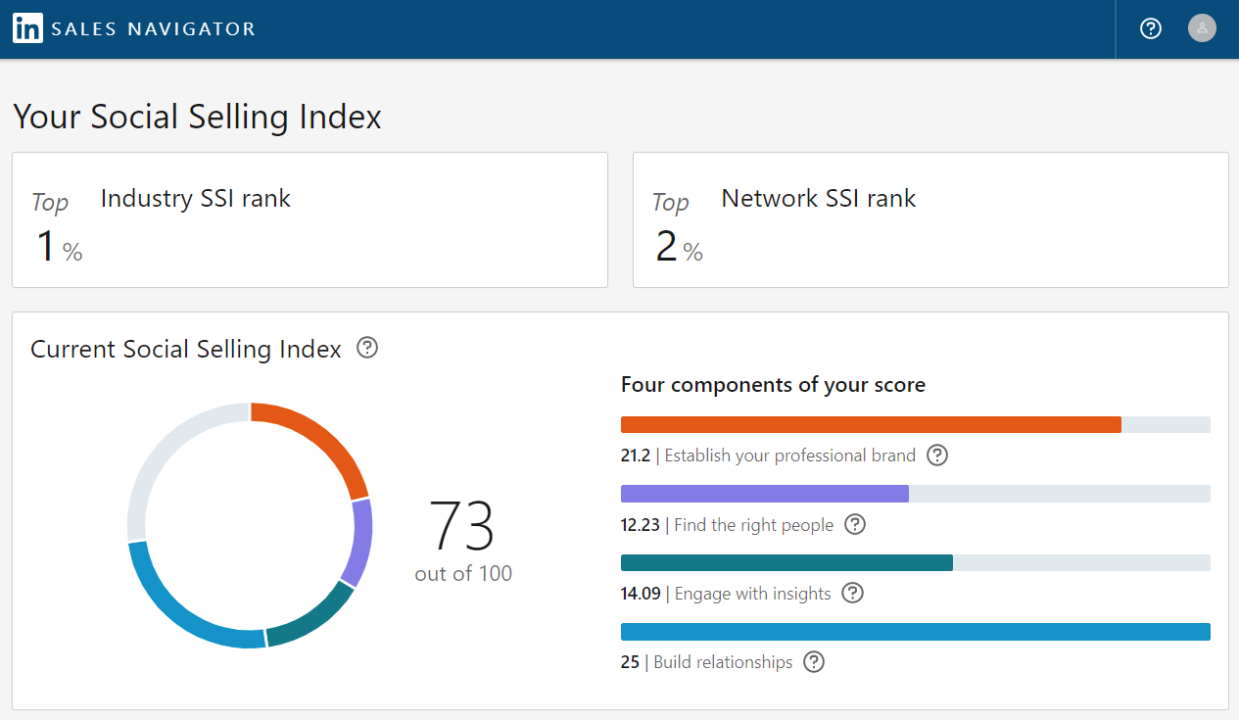
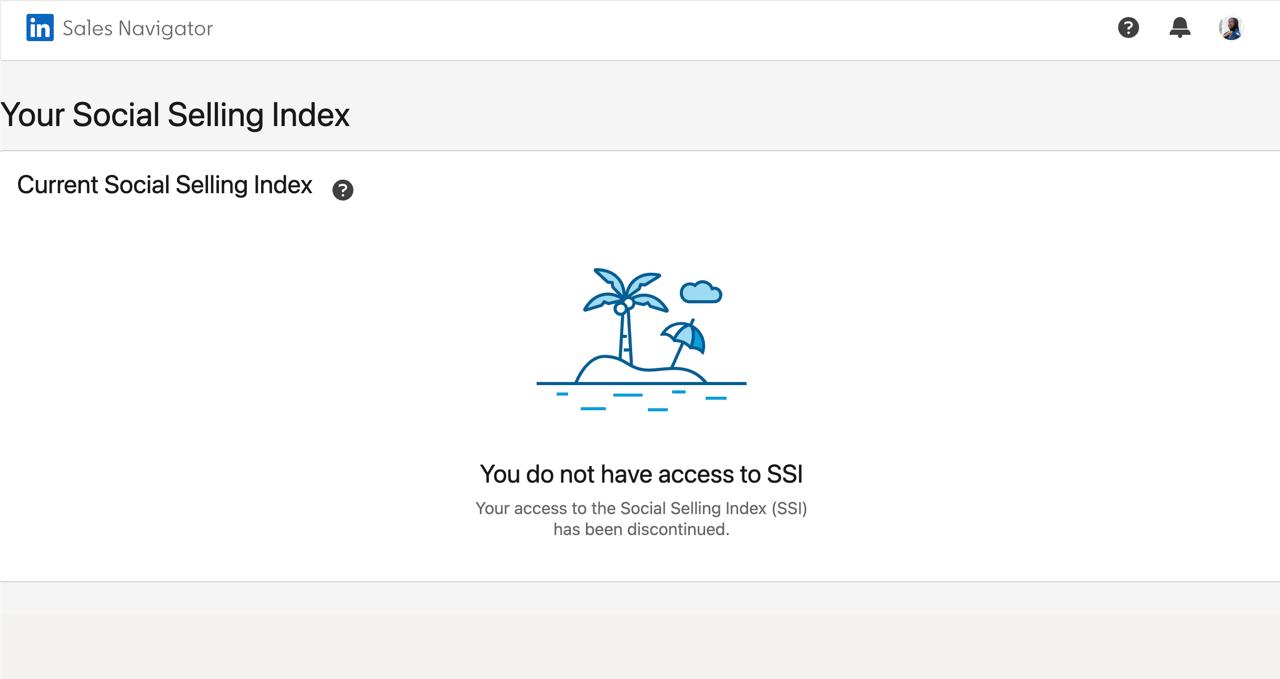
That era is over. Free access to the SSI dashboard has been wound down: free users now see a deprecation notice, and checking your score requires a Sales Navigator subscription. LinkedIn has also replaced its official SSI page with one titled "From SSI to AI", where it argues the score "no longer accurately reflects the modern sales environment" and points people toward AI features inside Sales Navigator, its paid product. So the metric a lot of teams reported on for free is now both paywalled and disowned by the company that built it. Building your reporting on it is building on sand.
SSI was a weak metric anyway
Losing SSI sounds like a loss. It is closer to a release, because the score was never a good measure of performance.
It was a black box. You never knew exactly how the four pillars were weighted, so a number going up or down told you something moved, not what to do about it. It was proprietary, owned and tuned by LinkedIn, which also happened to use it to nudge you toward Sales Navigator. And it was only loosely tied to outcomes, which is the criticism LinkedIn now makes of its own metric: a high SSI never guaranteed a single booked meeting. Optimising a vendor's opaque score is the definition of a vanity metric, the same trap I keep coming back to in how to measure ROI in technical content marketing. The fix is to measure things you own that map to outcomes.
What should you track instead?
Do not look for a single replacement score. That is the mistake SSI trained into us. Track a small dashboard instead, mapped to the same four things SSI claimed to measure, but built from first-party numbers you control.
Brand and authority
- Reach beyond your network. Impressions from people who do not already follow you. This is the clearest test of whether your content travels, rather than circulating among the same connections.
- Profile views from the right roles. Not the raw count, but how many viewers hold the titles you are trying to reach. It is the modern version of SSI's "professional brand" pillar, measured against the people you want to reach rather than a black-box number.
- Search appearances. How often you show up when people search, a quiet signal that your positioning is landing. Getting this right starts with the basics in LinkedIn profile optimization.
The right audience
- Qualified follower growth. Growth in followers who fit your ideal audience, not the vanity total. A hundred right followers beats a thousand random ones.
- Connection acceptance rate. Of the people you reach out to, how many accept. A falling rate means your targeting or your positioning is off, and it tells you long before a score would.
Engagement worth counting
- Engagement rate per post, not raw likes. Engagement divided by reach, so a small account and a large one can be compared fairly.
- Conversations started. Comments that are substantive replies and threads, and the discussions they open, weighted above passive likes.
- Saves and shares. The strongest public signals of value, because someone found the post worth keeping or worth putting their own name behind. Consistency here is what the habits in my LinkedIn presence guide are built to produce.
Relationships and pipeline
- Inbound messages and replies. How many conversations your presence starts without you chasing them.
- Meetings booked and opportunities influenced. The end of the line. If LinkedIn activity is working, it eventually shows up as calls on a calendar and deals in a pipeline. This is the pillar SSI gestured at and never measured.
How to track this without paying for anything
Almost all of it is already free inside LinkedIn. Native post analytics and creator analytics give you impressions, reach, follower breakdowns, and engagement per post, no Sales Navigator required. The only discipline you need to add is your own.
Write down who your ideal audience is, in one line, before you measure anything, because half of these metrics depend on knowing what "qualified" and "the right roles" mean for you. Then keep a simple weekly sheet: pull the handful of numbers above, note what you published, and watch the trend rather than any single week. The point is not precision. It is a picture you own, that no product update can take away.
The lesson
The uncomfortable part of the SSI change is not that a number went behind a paywall. It is that a lot of social media managers let a platform define what "good" looked like, and then the platform changed its mind. That is the actual risk, and it is worth avoiding on purpose.
Own your metrics. Tie them to outcomes you care about. Keep them somewhere the platform cannot revoke. Do that, and the next time a vendor retires a score, it is their problem, not yours.
So a question worth asking your own team this week: if SSI disappeared entirely tomorrow, what would you use to say whether your LinkedIn work is going well?